Fredag den 30 oktober kl 14:00 i hörsalen. Föreläsningen är på engelska/The Lecture is in English
Linnaeus’s Laplandic Journey (1732) – Guides, Hosts and Freeloaders
Join us for a rereading of the naturalist Carl Linnaeus’s diary of a trip through Sápmi in the summer of 1732 (Iter Laponicum). The diary has been celebrated as pioneering the methods of scientific and ethnographic fieldwork.
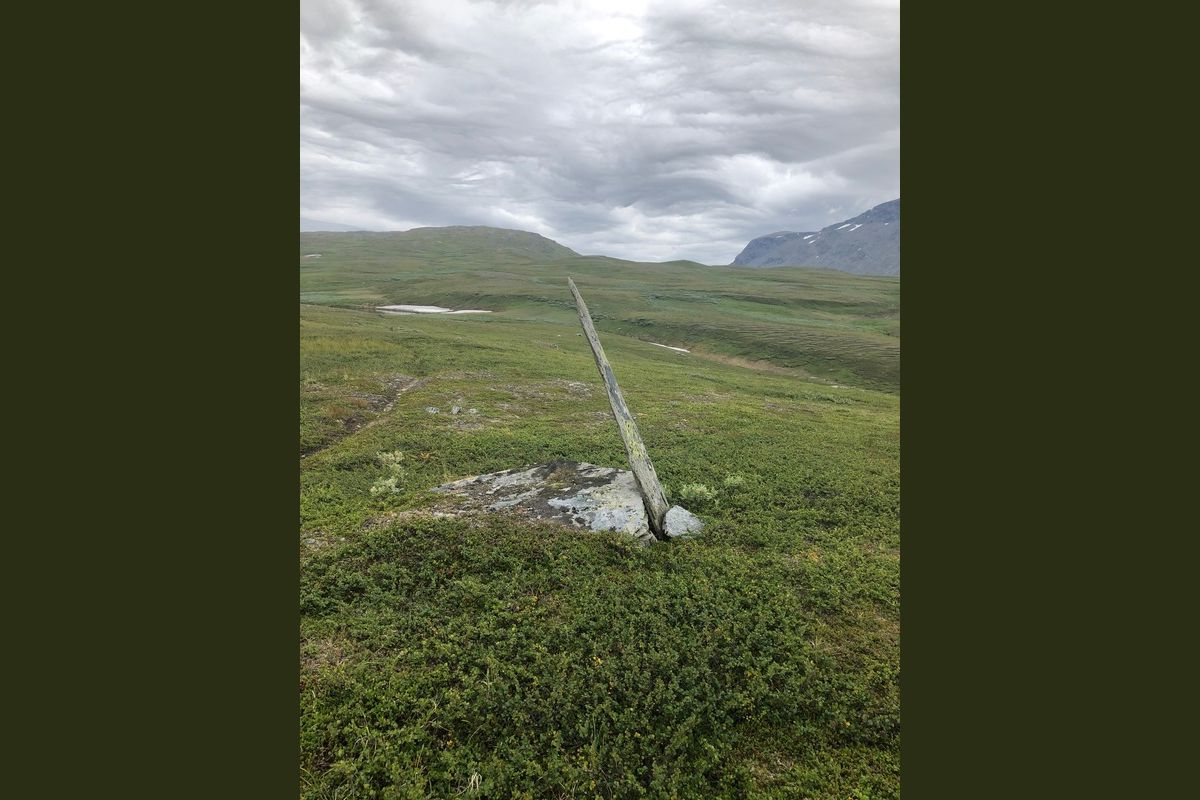
Historians Staffan Müller-Wille and Elena Isayev, who have re-tracked some of the journey, propose to read it against the grain. While in later writings Linnaeus created an image of Lapland as a stagnant and desolate region, waiting to be explored and exploited, his diary documents how people there knew very well how to make a living, and were the ones on whose expertise and hospitality he depended.
Linnaeus relied on multiple actors who also moved across cultural and political borders, usually were multilingual, and helped him find his way and acquire knowledge. This included reindeer herders, fishermen, Swedish settlers, clerics, bureaucrats, and notably not only men but often women as well. The knowledge Linnaeus gathered was generated collectively and “in transit” at intersections of diverse communities that were affected by frameworks of hospitality and hostility.
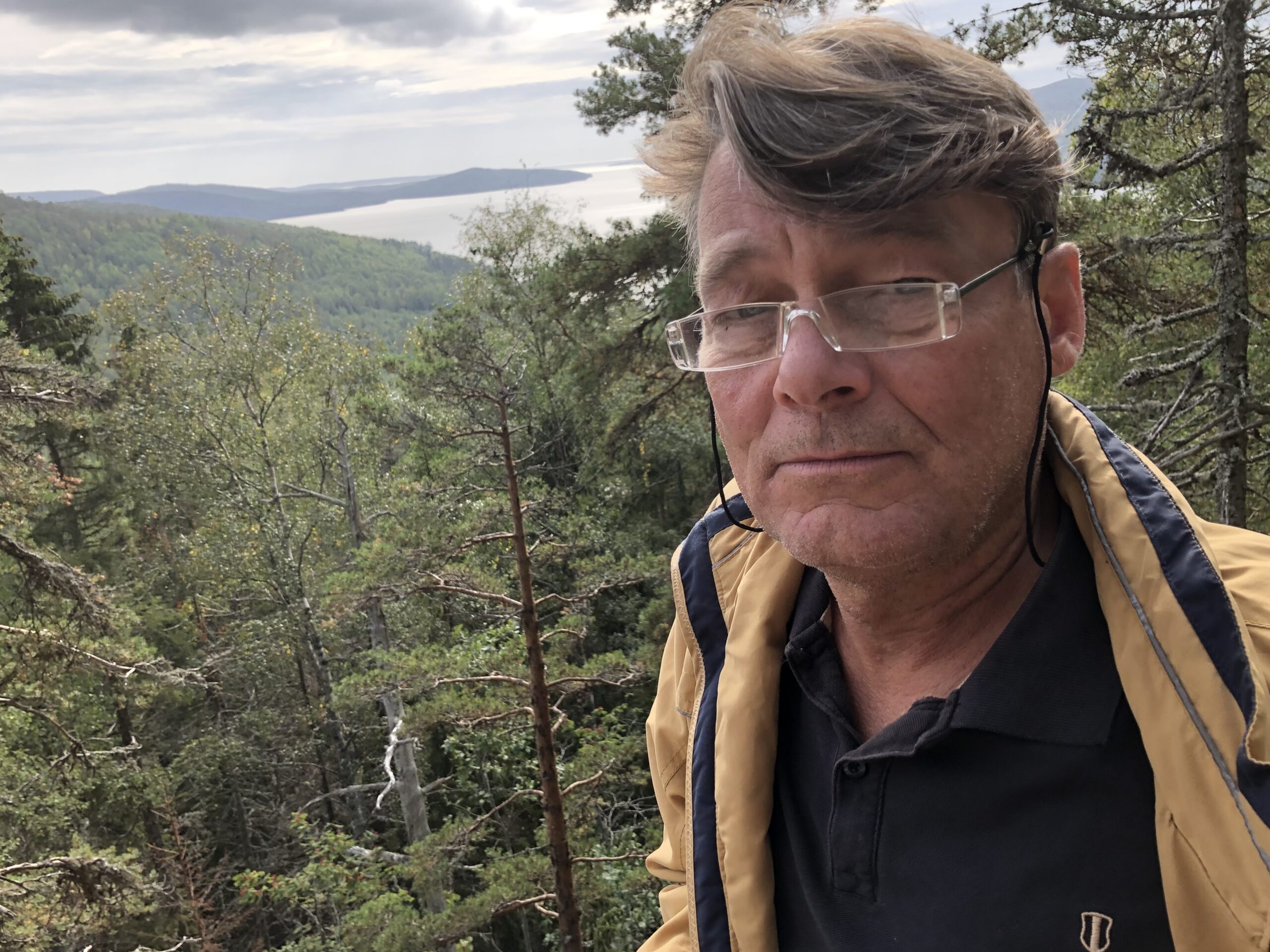 Staffan Müller-Wille is Professor in History and Philosophy of the Life Sciences at the University of Cambridge. His research focusses on the production of biomedical knowledge as a geographically, socially, and culturally distributed process. He is particularly interested in the ”paper technologies” that scientists use to record their observations. Linnaeus’s manuscripts reveal how he experimented throughout his life with a number of paper-based information tools – lists, tables, book annotation, index cards – in order to collect and integrate information about plants and their medicinal uses.
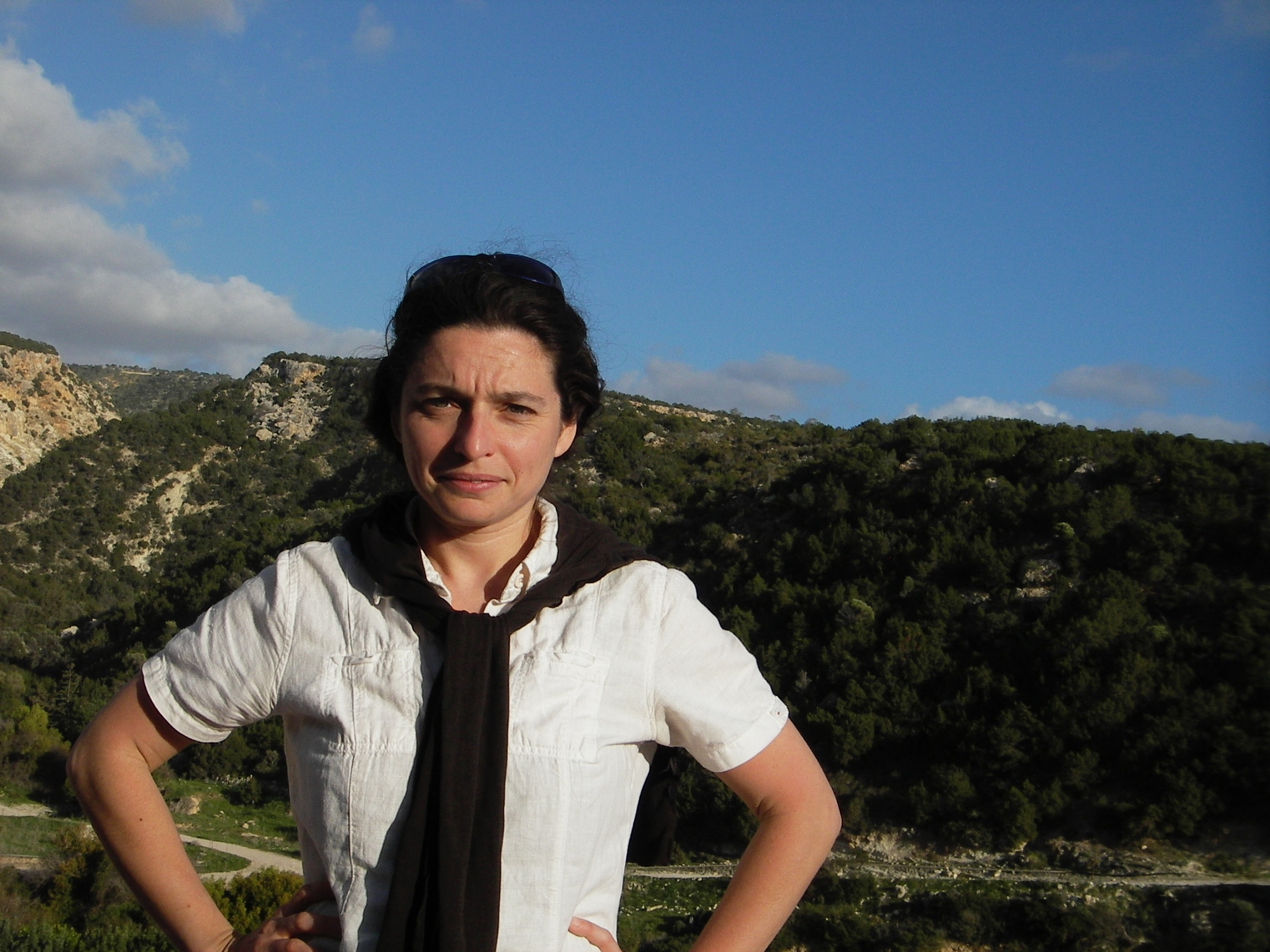 Elena Isayev is Professor of Ancient History and Place at the University of Exeter. She has been developing the journey as a discursive tool. As a historian and practitioner, she is focusing on migration, hospitality and exceptional politics in contexts of displacement. Investigations drawing on ancient contexts and material remains address dichotomies of public and common space, counter-cartographies and relational approaches to place. She is interested in how Linnaeus navigated various kinds of borders and hospitality regimes.